The Story Behind the Pattern
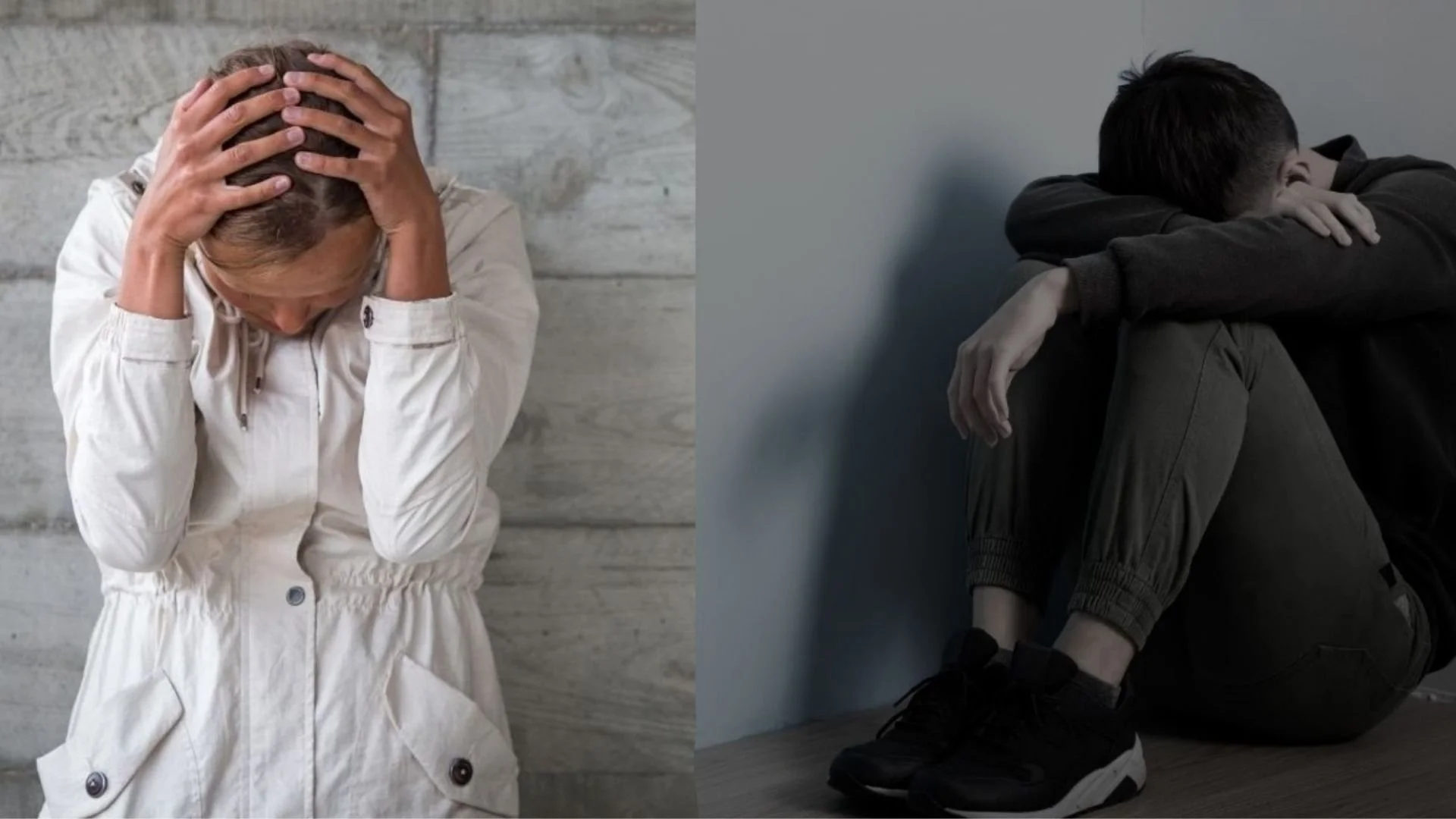
In a world where we face relentless pressures - from economic instability to technological disruption, from climate anxiety to social media demands - the Passive Flopper has developed a unique response to feeling overwhelmed. While it looks like simple avoidance or laziness, it's actually a sophisticated survival mechanism. This isn't about being unmotivated - it's about how overwhelming uncertainty triggers a protective shutdown that masquerades as passive resistance. Your system has learned that doing nothing feels safer than risking failure in an unpredictable world.
When Your Mind Shifts Gears
The primary state appears as chronic inaction - avoiding decisions, procrastinating on tasks, and withdrawing from challenges. Yet this constant avoidance is actually a flop state, your mind's way of protecting you from perceived threats through inaction. Think of it as your system's energy-saving mode - conserving resources by doing the bare minimum. When external pressure becomes unavoidable, you flip into brief bursts of anxious activity. This isn't productive energy - it's panic-driven action triggered by deadlines or criticism. But the stress of this activity soon leads back to protective withdrawal.
Where You'll Feel It Most
At work, this shows up as minimal engagement punctuated by crisis management - doing just enough to avoid consequences until pressure forces frantic catch-up efforts. In a world where constant productivity feels demanded, you appear disengaged but are actually conserving energy. Personal relationships suffer as this pattern extends into social life - avoiding commitments until they become emergencies, then responding with temporary bursts of attention.
Your Body Knows
The physical response reveals the true pattern. In your primary state, lethargy dominates - heavy limbs, low energy, a constant pull toward inaction. This isn't laziness - it's your body's way of enforcing the flop response through physical shutdown. When pressure triggers your secondary state, anxiety attacks strike - racing heart, sweaty palms, churning stomach. These aren't just stress symptoms - they're your body's protest against being forced out of its protective shutdown.
The Heart of the Matter
Beneath the appearance of inaction lies a profound flop response to modern life's demands. The chronic avoidance isn't about being passive - it's about feeling safe in an increasingly demanding world. You appear to be doing nothing, but you're actually engaged in an active strategy of energy conservation, trying to protect yourself from a world that feels too demanding.
Spotting the Signs
Watch for the pattern of chronic postponement followed by panic action: tasks piling up until they reach crisis point, relationships neglected until confrontation forces engagement, opportunities missed through hesitation until they become emergencies. In meetings, you're the quiet observer until pressure forces participation. At home, you're perpetually putting things off until they can't be ignored.
When Pressure Builds
As demands increase, the withdrawal deepens - more avoidance, more procrastination, more disconnection. Unlike productive rest, this withdrawal doesn't lead to renewal. Instead, it intensifies the flop state until external pressure becomes unavoidable, triggering a burst of anxious activity before the cycle begins again.
Your Turning Points and Finding Your Flow Again
Real change starts with recognising that your inaction is actually a protective response, not character failure. Understanding how your mind processes information and manages energy can transform your relationship with action. Tools like the Life Intelligence System can help you understand your unique pattern of responding to life's demands. Start small - set tiny, achievable goals that build confidence without triggering shutdown. Practice gentle movement when you feel stuck - even simple stretches can shift your energy. Create structure that supports action without overwhelming your system.
Bottom line though is that increased self-awareness becomes your foundation for change - once you understand your pattern, you can begin transforming passive withdrawal into conscious choice.
Still curious? Now have a look below.