A Modern Survival Strategy
In today's world, we're bombarded with global threats - climate disasters, economic instability, political tensions, and health crises. While most people try to tune these out, the Crisis-Loop Freezer pattern means your brain stays on high alert for potential dangers. Your mind has chosen to focus on threat detection as its primary way of creating safety in an uncertain world. Think of it like being your own early warning system. While others might ignore warning signs, you spot them quickly. This isn't paranoia - it's actually an intelligent strategy for surviving in complex times. Your brain has decided that staying ahead of threats is the best way to protect yourself and those you care about, even though this constant vigilance takes its toll.
Your Pattern at Work and at Home
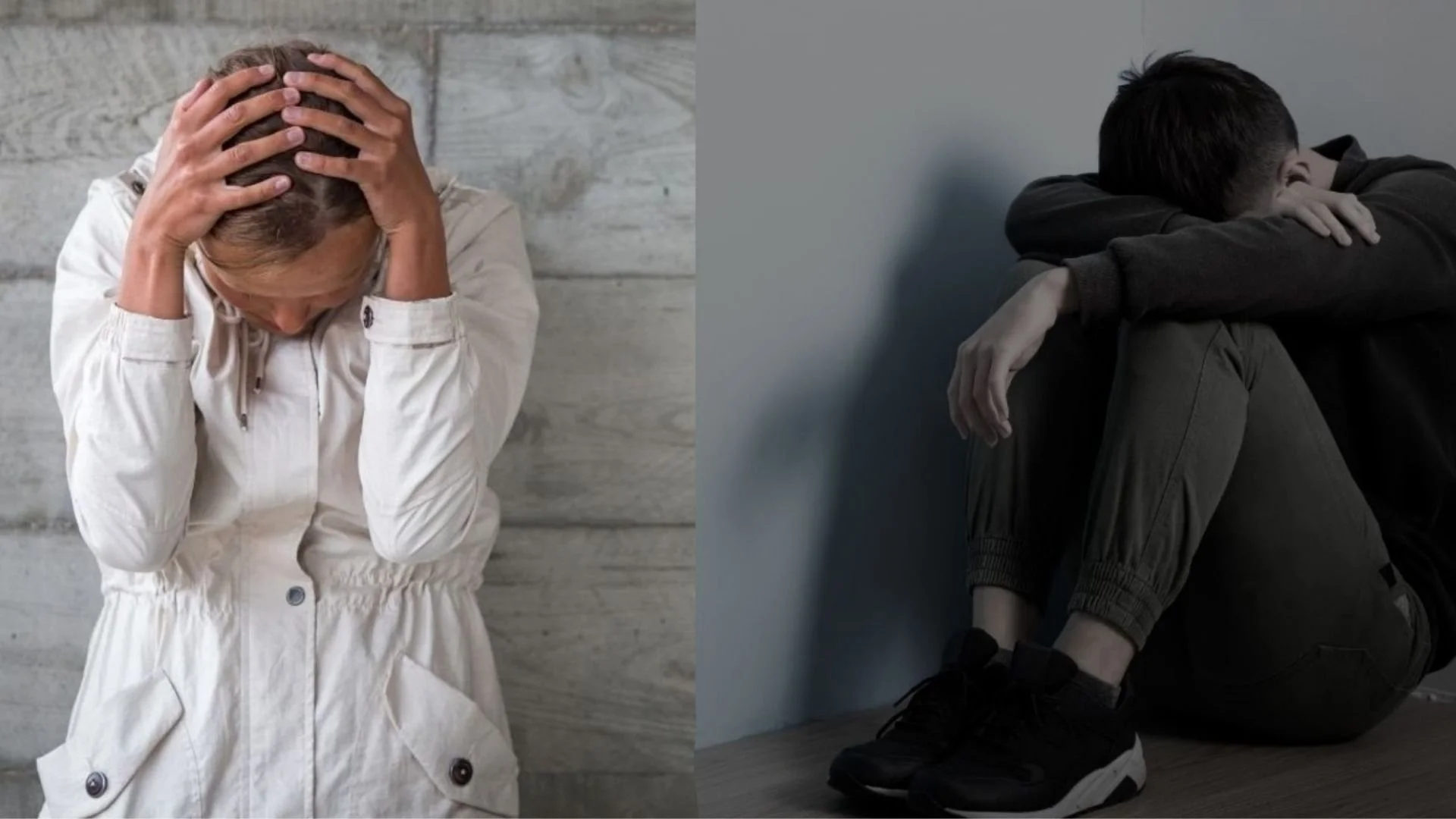
Your pattern shows up in two clear states. In your primary state, you're constantly scanning for problems and planning for worst-case scenarios. At work, you might be the one who spots potential project failures before anyone else. At home, you're always preparing for what might go wrong - from natural disasters to financial emergencies. This isn't anxiety - it's your brain's sophisticated protection system at work. When the weight of all these potential threats becomes too much, you flip into your secondary state - emotional shutdown and withdrawal. This isn't giving up - it's your system's way of recovering from threat overload. The flip usually happens when you face new dangers or when your careful planning gets overwhelmed by unexpected changes.
Your Brain and Body's Response
Your brain and body work as a finely tuned threat detection system. In your primary state, your brain is constantly processing potential dangers, while your body stays in high alert - racing heart, tight chest, disrupted sleep. You might notice these physical signs intensifying when you read news headlines or hear about new problems at work. When you flip into your secondary state, your body enforces a shutdown - complete exhaustion, emotional numbness, physical heaviness. These aren't random reactions - they're your body's way of managing the intense energy drain of constant vigilance. It's like having an emergency off switch that activates when your threat detection system gets overloaded.
Living With The Pattern
This pattern shapes how you navigate daily life. At work, you might be known as the person who always spots problems coming, but also someone who can become suddenly disengaged when overwhelmed. Your relationships often reflect this pattern - periods of intense concern for others' safety followed by emotional distance. You'll notice early warning signs, like increasing irritability about potential risks or feeling overwhelmed by simple decisions. The pattern becomes especially strong during times of change or uncertainty, when your threat detection system goes into overdrive.
Creating New Possibilities
Moving forward isn't about ignoring threats - it's about finding a more sustainable way to stay safe. Small steps make big differences: try setting specific times for risk assessment rather than constant vigilance or creating clear action plans instead of endless worry loops. Understanding how your mind filters information can be transformative - that's where tools like the Life Intelligence System can help you see your unique pattern more clearly. As your self-awareness grows, you'll find that what feels like endless worry actually holds important wisdom about managing uncertainty. When you learn to work with your pattern rather than fight it, you can maintain healthy vigilance without getting stuck in crisis mode. Remember, increased self-awareness is your platform for transforming how you respond to life's uncertainties.
Still curious? Now have a look below.