The Inventor
Introduction
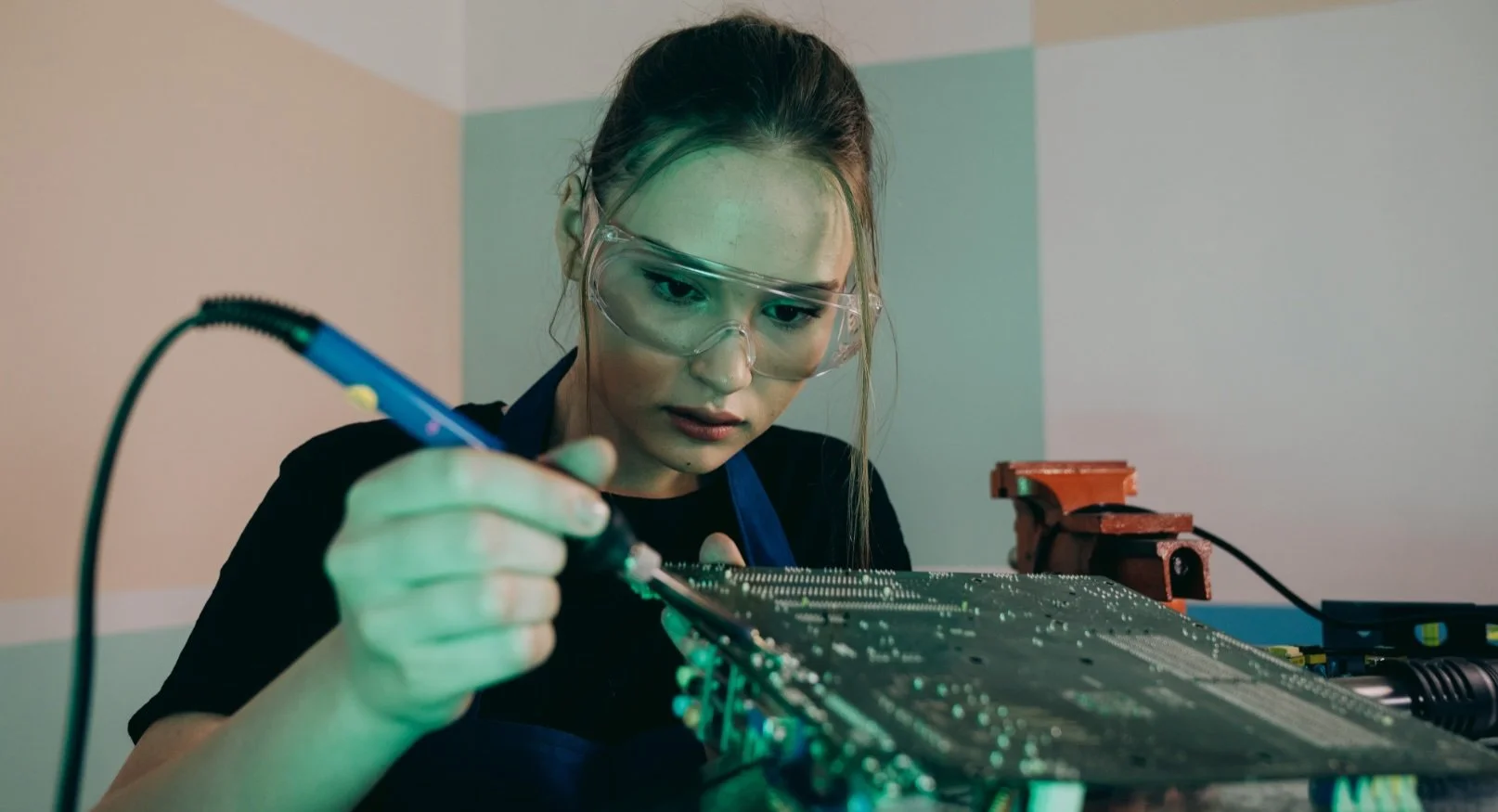
Creative problem-solvers who can see possibilities others miss and develop novel solutions to seemingly intractable problems. They combine imagination with practical skills in experimentation and implementation. Inventors naturally think beyond conventional boundaries, understanding how to combine elements in new ways to create effective solutions. They excel at prototyping and testing new approaches, helping movements expand their repertoire of tactics and strategies.
The Power of Invention
Break-through moments don't just happen - they emerge from a unique blend of creativity, experimentation, and practical application. Think of how mobile phones transformed from simple calling devices to pocket-sized computers that changed society. Inventors understand that real transformation often comes from seeing familiar elements in completely new ways. Their power lies in turning "what if" into "what is."
The Science of Creative Problem-Solving
Research shows our brains are actually wired to spot novel connections - it's why we can suddenly solve a problem while doing something completely unrelated. Inventors tap into what neuroscientists call "default mode network" - the brain state where unexpected connections emerge. They've learned to systematically harness this natural creative capacity, turning random insights into reliable innovation.
Mastering the Art of Innovation
Success comes from balancing wild imagination with practical testing. Effective Inventors develop a systematic approach to creativity, treating each failure as data rather than defeat. They become skilled at rapid prototyping, quick testing, and iterative improvement - much like how tech startups evolve their products through constant feedback and refinement.
The Inventor's Journey
Most Inventors start as curious experimenters, often taking things apart to understand how they work. Over time, they learn to channel this natural curiosity into strategic innovation. Their path involves learning to balance creative exploration with practical implementation, combining imaginative leaps with systematic testing.
Strengths and Challenges
Inventors excel at creative thinking, problem-solving, and turning ideas into reality. Their ability to see fresh possibilities where others see dead ends is invaluable. However, they must guard against getting lost in possibilities and learn to focus on innovations with real impact. The challenge lies in balancing creativity with practicality.
Creating Lasting Impact
True innovation impact comes from developing solutions that can spread and scale. The most effective Inventors learn to create innovations that are both revolutionary and adoptable, ensuring their solutions can take root in the real world. They become skilled at making the novel feel natural.
Practical Wisdom
Successful Inventors learn that lasting innovation requires both creative leaps and systematic development. They develop wisdom about when to push boundaries and when to refine existing solutions, understanding that effective innovation needs both breakthrough moments and careful evolution.
The Inventor's Toolkit
Beyond creative thinking and problem-solving abilities, effective Inventors develop skills in prototyping, testing, and implementation. They master tools for design thinking, agile development, and impact measurement. Their toolkit includes both creative methods for generating ideas and practical approaches for turning those ideas into reality.
Evolving the Role
As technology and social patterns rapidly shift, the role of The Inventor evolves to embrace more collaborative and distributed forms of innovation. Modern Inventors are learning to harness collective creativity, understanding how to create breakthrough solutions in an interconnected world.
Your Inventor Calling
If you find yourself constantly imagining better ways of doing things and get excited about testing new possibilities, you may have an Inventor's spirit. The key is learning to channel this natural creativity into practical impact. Start by studying successful innovations and developing your implementation skills alongside your creative abilities. Remember, the goal isn't just to generate new ideas – it's to create solutions that work.